
Author

narendhar

BIker-and-Rakassa

BIker-and-Rakassa

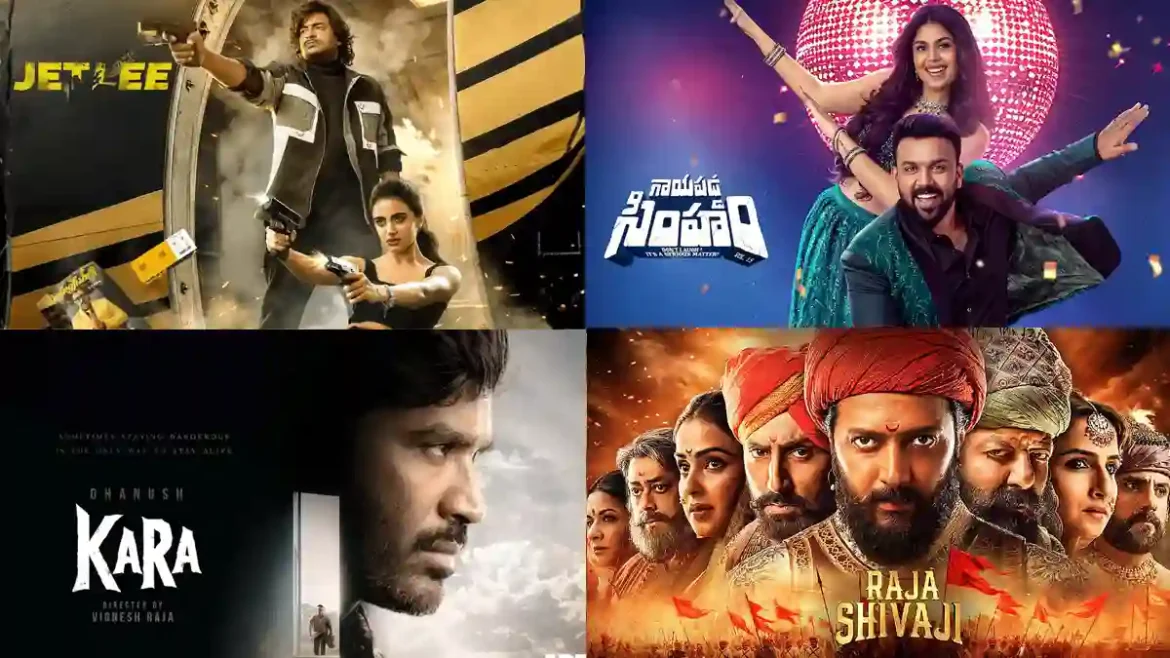
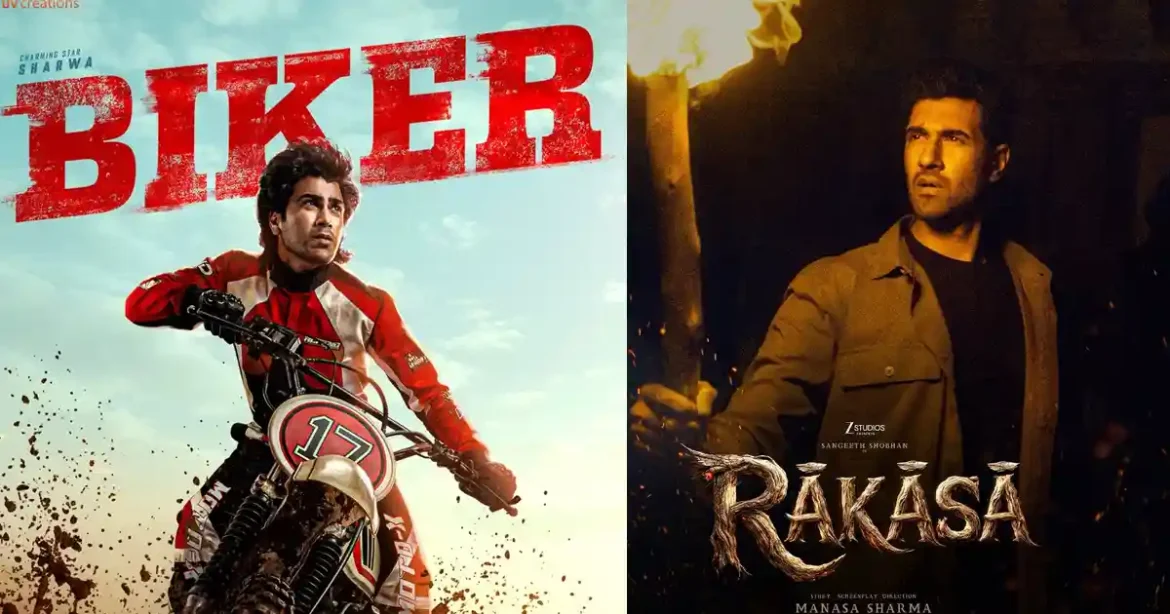
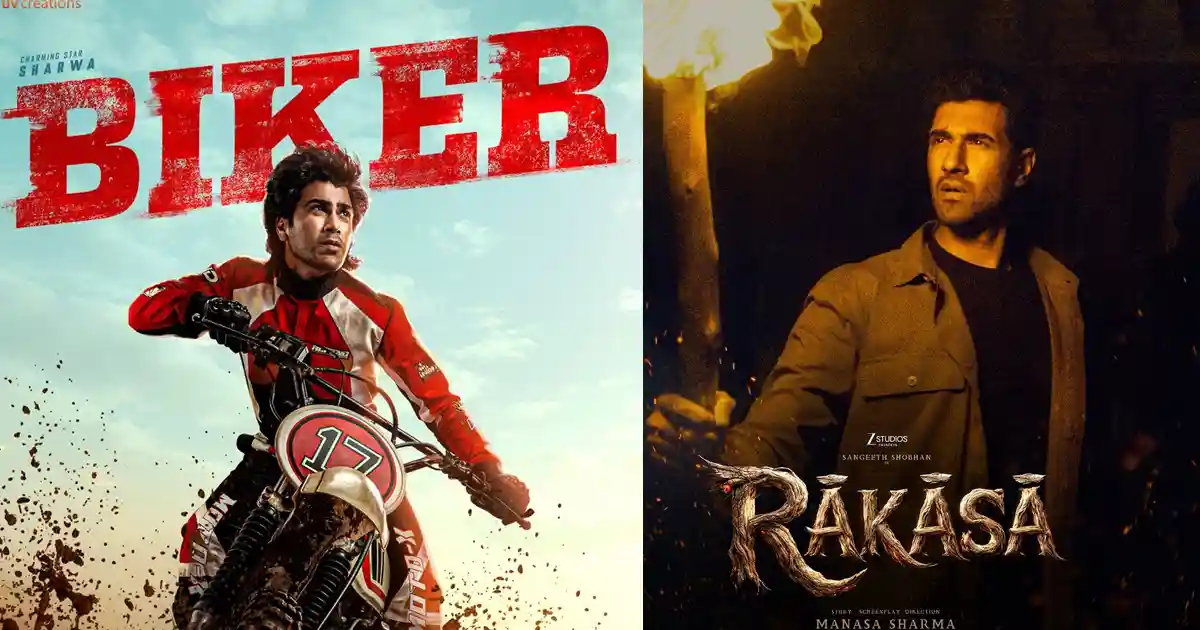
Netflix is steadily expanding its footprint in South Indian cinema, and its latest move brings two recent Telugu theatrical releases to the platform at the same time. The streaming giant has secured the digital rights for Biker and Raakaasa, giving a solid boost to its Telugu lineup this month. Interestingly, both films shared the same theatrical release date and are now set to arrive on OTT together on May Day (May 1, 2026).

Biker grabs attention as India’s first motocross-based film, blending high-speed racing with an emotional father-son story. The on-screen dynamic between Sharwanand and Rajasekhar adds depth, making the film more than just a sports drama. Director Abhilash Reddy focused heavily on authenticity, and the racing sequences reflect that effort, which connected well with audiences in theatres.

On the other hand, Raakaasa takes a completely different route, mixing fantasy, horror, and comedy into an entertaining package. Sangeeth Sobhan leads the film with strong comic timing, supported effectively by Vennela Kishore and Getup Srinu. Debut director Manasa Sharma manages the genre shifts smoothly, keeping the narrative accessible.

With both films premiering this Friday, viewers now have two very different options to pick from at home. Whether it is a sports drama with emotional weight or a lighthearted supernatural entertainer, this dual release offers a well-rounded weekend watch for Telugu audiences.
FacebookTwitterWhatsappCopy Link

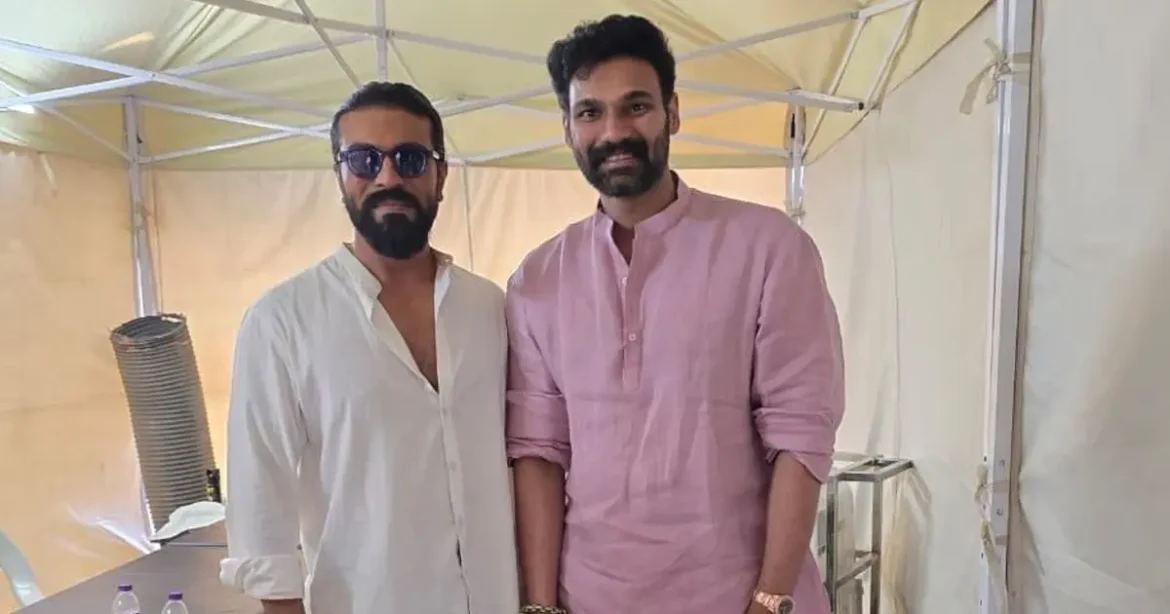
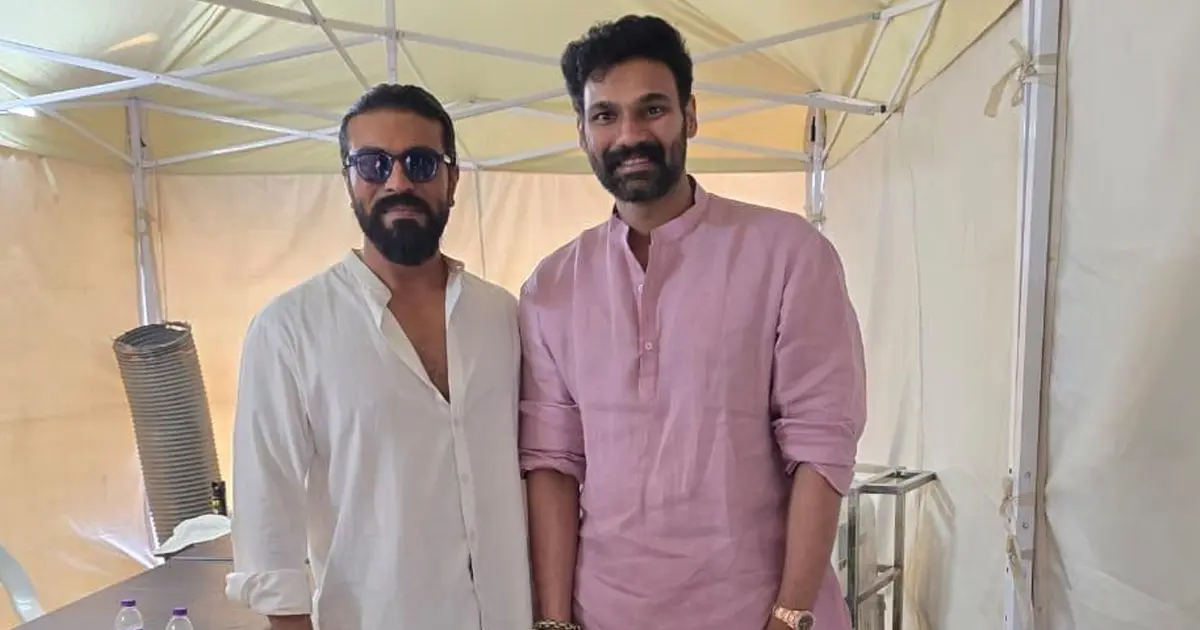
Groom-to-be Bellamkonda Sreenivas is currently busy inviting stars to his wedding, which takes place on April 29 in the sacred town of Tirumala. Sreenivas has now met Mega Power Star Ram Charan on the sets of Peddi and personally invited him to his wedding and reception.

The duo was all smiles as they clicked a beautiful picture together. The wedding, referred to as Srinivasa Kavyanam, will be immediately followed by a grand reception on May 1 in Hyderabad.

Bellamkonda Sreenivas’ father, Bellamkonda Suresh, also met the Peddi actor and graciously invited the star to the wedding. A few days ago, Sreenivas announced his marriage to Kavya Reddy through a social media post, and the wedding event has since then been making the headlines.

FacebookTwitterWhatsappCopy Link

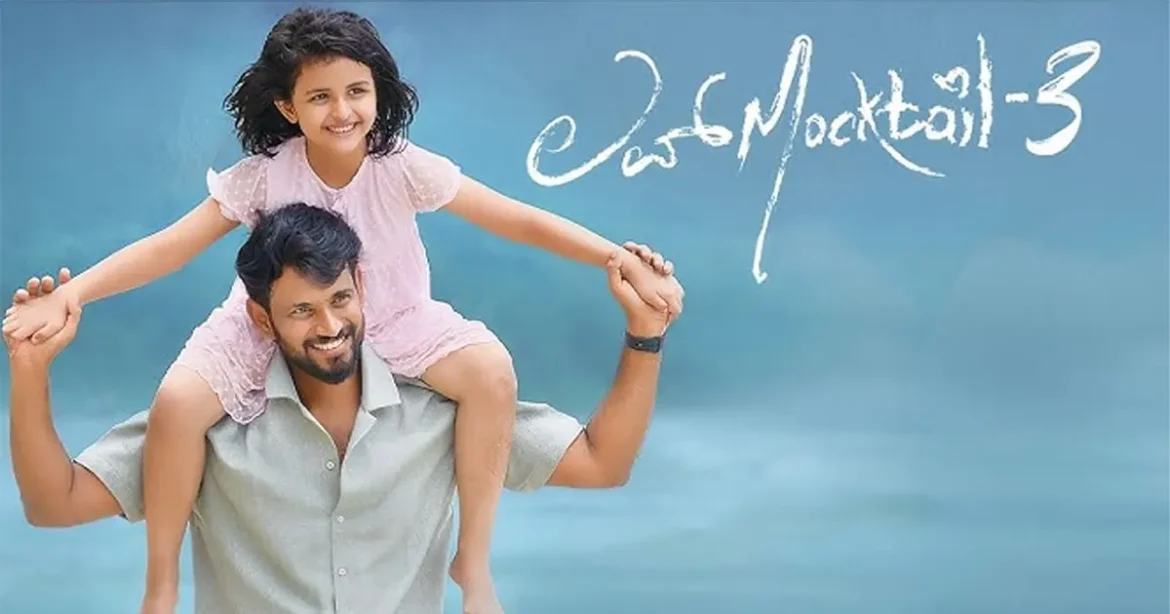
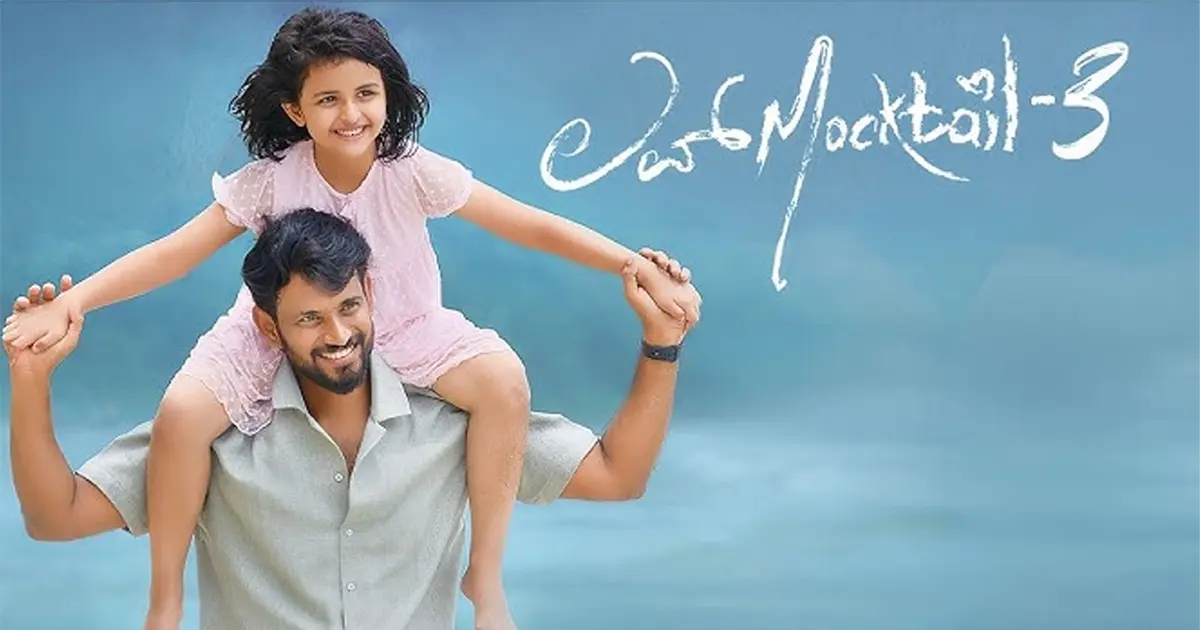
Kananda film Love Mocktail 3, belonging to the Love Mocktail franchise, emerged as a box-office superhit. The third and final installment of the franchise is headlined and directed by Darling Krishna.

The latest update reveals that the romantic entertainer will soon be available for streaming on ZEE5. The exact OTT premiere date will be announced soon. Milana Nagaraj and Darling Krishna produced the film under the banner of KrissMi Films.

Nakul Abhyankar has composed the music, while Rachel David, Amrutha Iyengar, Samvrutha, and others play key roles. KVN Productions distributed this flick, which has a crisp runtime of 135 minutes.

FacebookTwitterWhatsappCopy Link

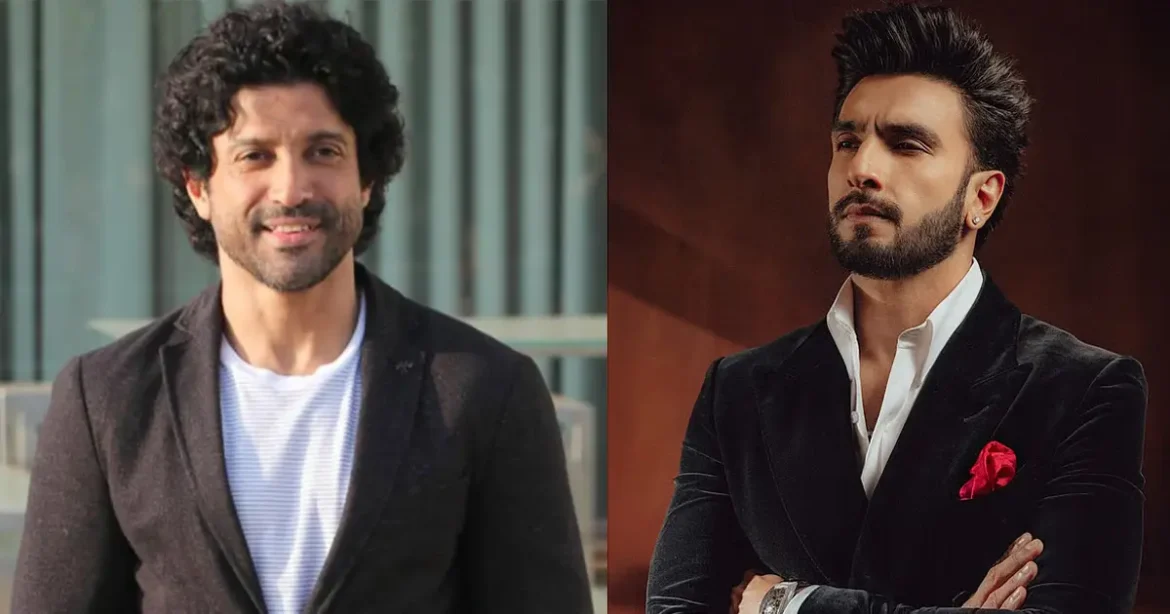
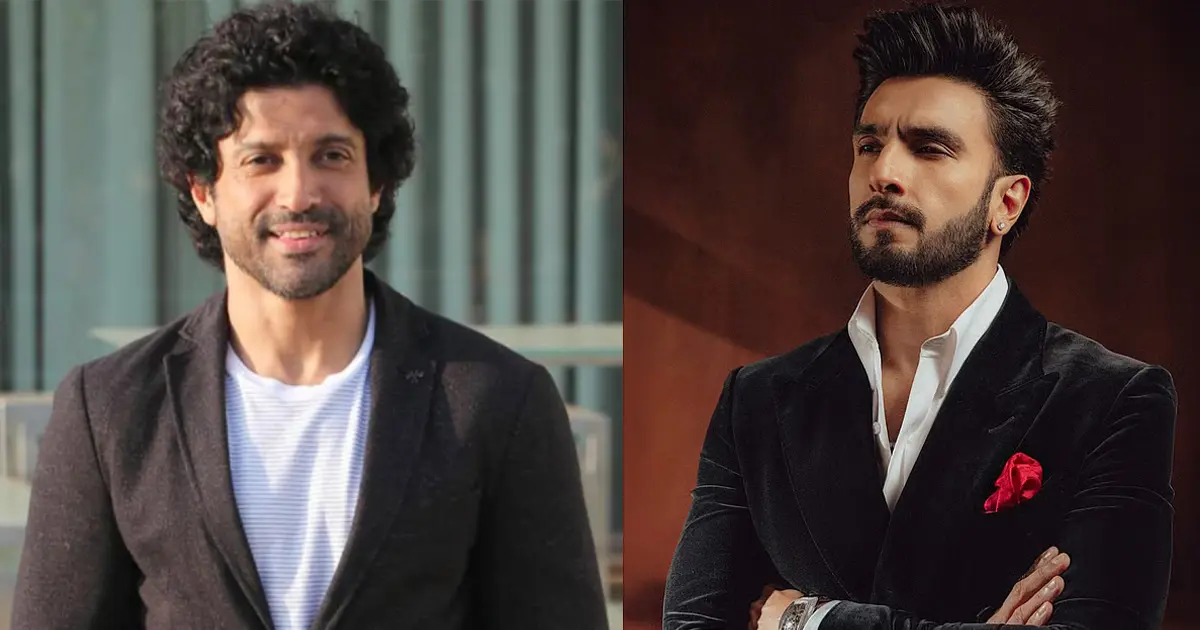
Farhan Akhtar planned Don 3 with Ranveer Singh, but shockingly, the actor walked out of the project due to creative differences. Ranveer’s exit stirred a controversy, and finally, Farhan Akhtar reacted to the issue in an interview with Hollywood Reporter India.

The director said, “What I have learnt is to expect the unexpected. Nothing can be taken for granted till you actually have it on film. My journey in films has been an incredible ride so far, and I understand that challenging phases are inevitable, and it’s something he chooses to take in his stride.”

Following Ranveer Singh’s exit from Don 3, Farhan Akhtar’s Excel Entertainment approached the Producers Guild of India, complaining that the actor’s sudden departure led to losses of Rs. 40 crores. Reportedly, Ranveer said that Farhan Akhtar prioritized other projects over Don 3, and that he was approached after the success of Dhurandhar.

Despite Don 3 not moving ahead as planned, Farhan Akhtar stated that it is one of the incredible stories that he wants to tell. Who will now spearhead the stylish gangster action flick? It remains to be seen.

FacebookTwitterWhatsappCopy Link
Pokiri

Pokiri

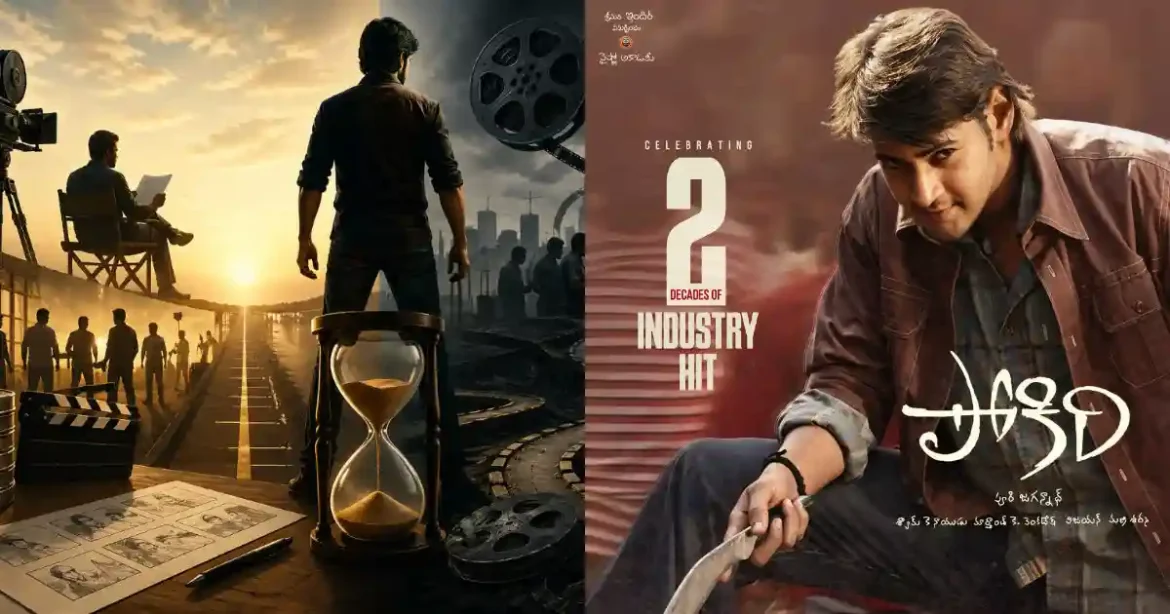
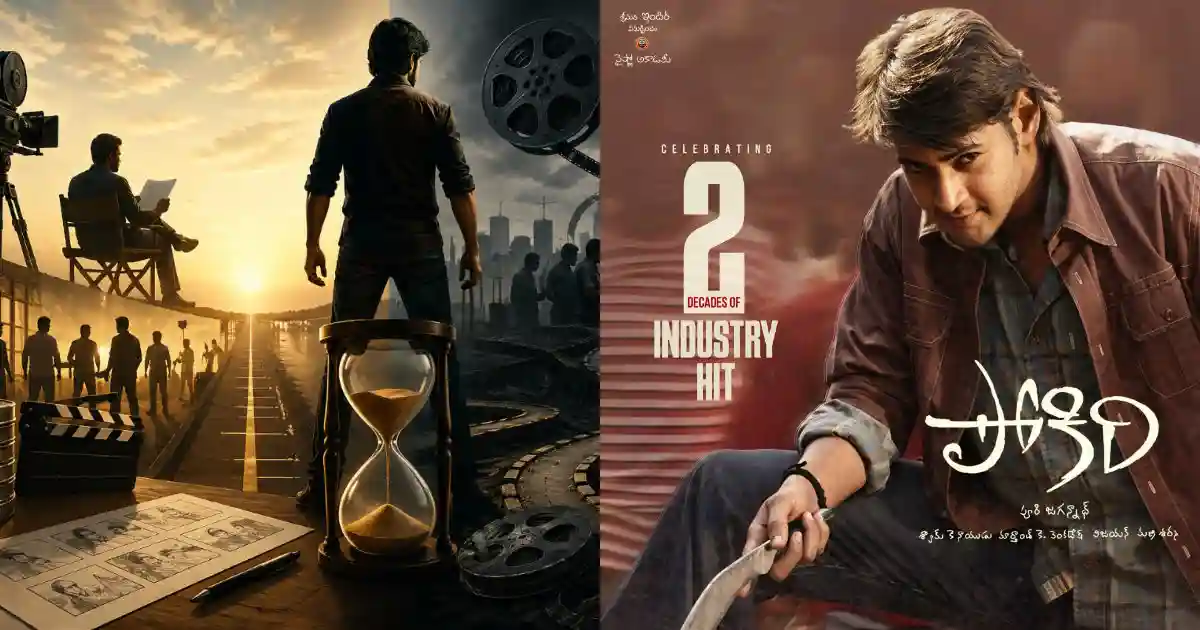
The box office sensation Pokiri, starring Mahesh Babu and helmed by Puri Jagannadh, completes 20 glorious years today. The industry hit showcased the “Superstar” in a never-before gritty role, giving birth to the iconic Pandugadu vibe. But beyond the nostalgia and celebrations, Pokiri deserves to be looked at from a different lens today. Not just as a blockbuster, but as a benchmark in filmmaking discipline, something that feels increasingly absent in modern Tollywood.

The Legend of the 100-Day Sprint

It is not mere trivia but a striking fact that Pokiri was completed in less than 100 days, with some accounts suggesting even fewer, around 66 active shooting days. Despite having a top-tier star, the film moved with remarkable speed and clarity. This was not an accident, and more importantly, not chaos.

It reflected a system where the script was locked, the director was decisive, and the execution was clean. The same approach was later seen in films like Businessman, reinforcing that this efficiency came from preparation, not compromise. What Pokiri proved is simple: speed in filmmaking is not about rushing, it is about certainty.

The High Cost of Modern Delays

Now, the real question is not why films are taking longer, but why many of them are taking longer without necessarily becoming tighter. Today, even mid-range films are stretching beyond expected schedules, while big-budget projects like Kalki 2898 AD, Salaar, and Devara: Part 1 span years in production.

Yes, scale has increased. Visual effects, pan-India releases, and multi-language shoots naturally demand more time. But scale alone does not explain the entire delay.

A significant part of the slowdown comes from shifting decisions into the production phase. Scripts evolve during shoots, schedules expand, and clarity often arrives late instead of early. What was once pre-production work is now happening on set. And in filmmaking, uncertainty is expensive.

Every additional day adds to interest, logistics, and operational costs, quietly inflating budgets before the film even reaches the audience.

The Sequel Gap: Killing the Hype

Alongside long production schedules, another clear trend has emerged in today’s films, the widening gap between sequels. Franchises are now announced with massive hype, but the follow-ups take years to materialize.

Telugu cinema has several examples. Films like Baahubali, Pushpa, Karthikeya, and HIT built strong foundations, yet their continuations came after significant gaps. While some sustained momentum, the delay still forced the audience to reconnect rather than continue the experience seamlessly.

At the same time, there are rare attempts to do the opposite. The Hindi film Dhurandhar and its sequel Dhurandhar: The Revenge were planned in a way that allowed both parts to release within a very short gap. Whether one calls it an experiment or an exception, it showed one important thing: momentum can be preserved when planning is done in advance.

That contrast is important.

Because what we are now seeing is an even more concerning pattern. Sequels such as They Call Him OG 2, Salaar 2: Shouryaanga Parvam, Pushpa 3, and Devara 2 are announced early, but remain stuck in extended production timelines or planning stages. When the gap stretches too long, the emotional continuity weakens.

The audience no longer carries the same immediate connection, and the hype has to be rebuilt instead of being sustained. This is not about forcing sequels to release within months. It is about avoiding unnecessary delay.

And once again, the root issue is planning. When filmmakers approach a story with long-term clarity, sequels feel like a continuation. When they are developed step by step, gaps grow longer, and momentum fades.

Restoring the Glow: What Needs to Change

Tollywood’s growth in scale is undeniable, but growth without discipline brings its own challenges. What the industry risks losing is not speed, but decisiveness.

Pokiri did not succeed because it was made fast. It succeeded because it was made with clarity. The script was ready, the vision was firm, and the execution followed without hesitation.

To regain that edge, the focus must return to strong pre-production discipline, locked scripts before shoot, clear scheduling without constant expansion, and directors making decisions early instead of delaying them.

Because filmmaking does not slow down only due to scale. It slows down when conviction weakens.

The Real Standard

The Pokiri Standard is not about completing a film in 100 days.

It is about knowing exactly what film you are making before the first shot is taken.

That is what made Pokiri timeless.

And that is what modern Tollywood needs to rediscover.

FacebookTwitterWhatsappCopy Link